

Product Design
Our remanufacturing service provides bespoke designs tailored to each application. Working in partnership with FMARK (Product Design Specialists) Retrofit solutions are carefully considered and engineered to make the installation simple and efficient.
Products are designed and manufactured in accordance with the guideline details in BS8887 : 221. The document provides a structured approach to the assessment of used luminaires and components, defining a scope of works, electrical and mechanical remanufacture, component selection, markings and instructions, and testing/validation.
Technical Drawing
Drawing Schematics provide technical detail to make sure that the overall design and connected components fit perfectly.


Visualisation
3D Visualisation demonstrates how the engineered solution will look with the various connected components.
Detailed Evaluation
Expert Bill of Materials (BOM) management ensures zero ambiguity during production by meticulously recording every part, subassembly, and process. A properly structured BOM serves as the ultimate "recipe" to avoid costly delays, procurement errors, and design rework

RESUS LED Module for a direct T5 lamp replacement.

Bespoke LED modules which include RGBW options.

Spot and Downlight modification using LED COB technology

LED Geartray insert for linear recessed products

Modular solutions for recessed and surface mounted luminaires

View our latest work
Discover our collection of creative work and visual projects. Each piece showcases our attention to detail and commitment to delivering results that exceed expectations.
Examples of Remanufactured LED Modules


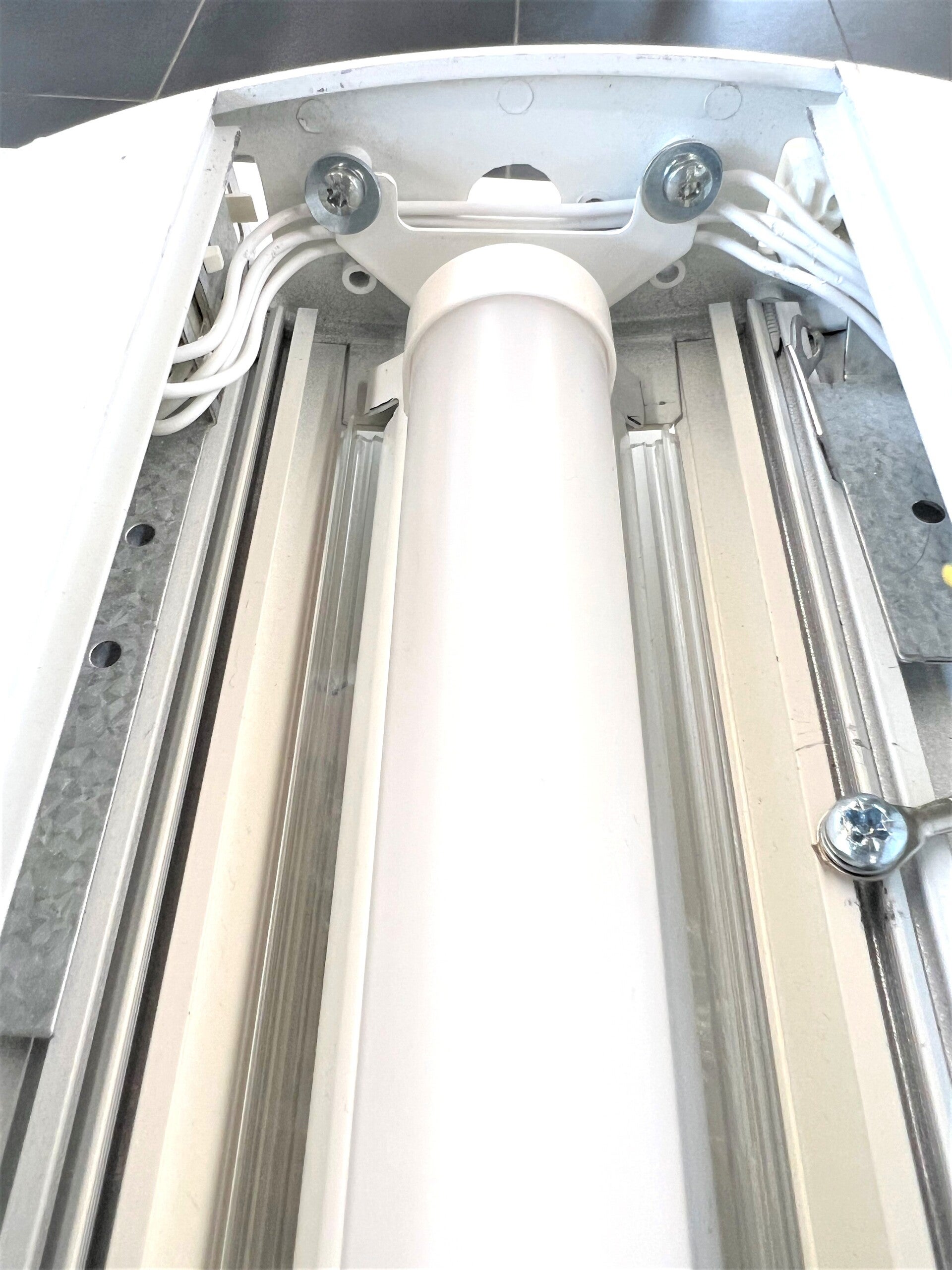

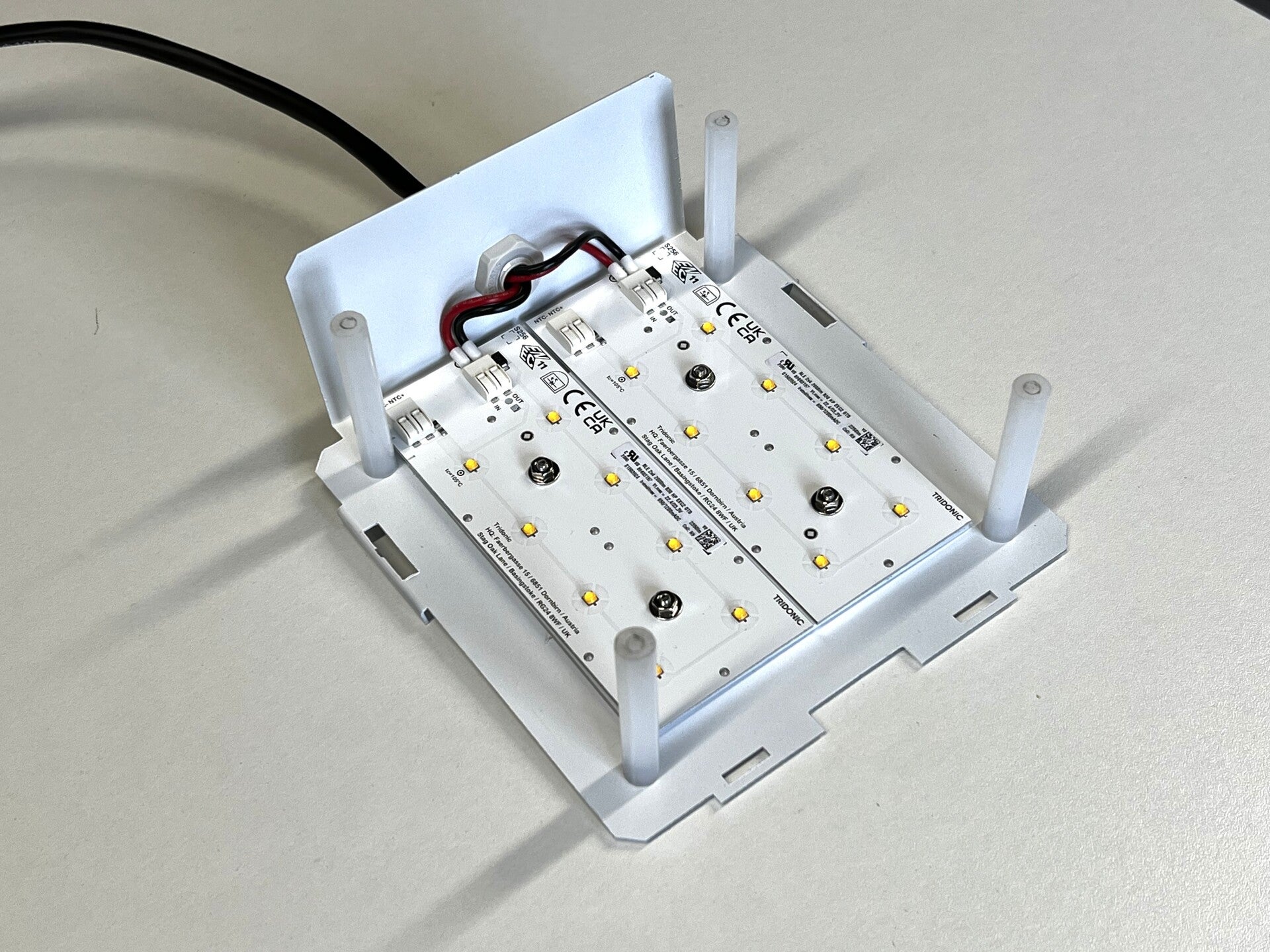
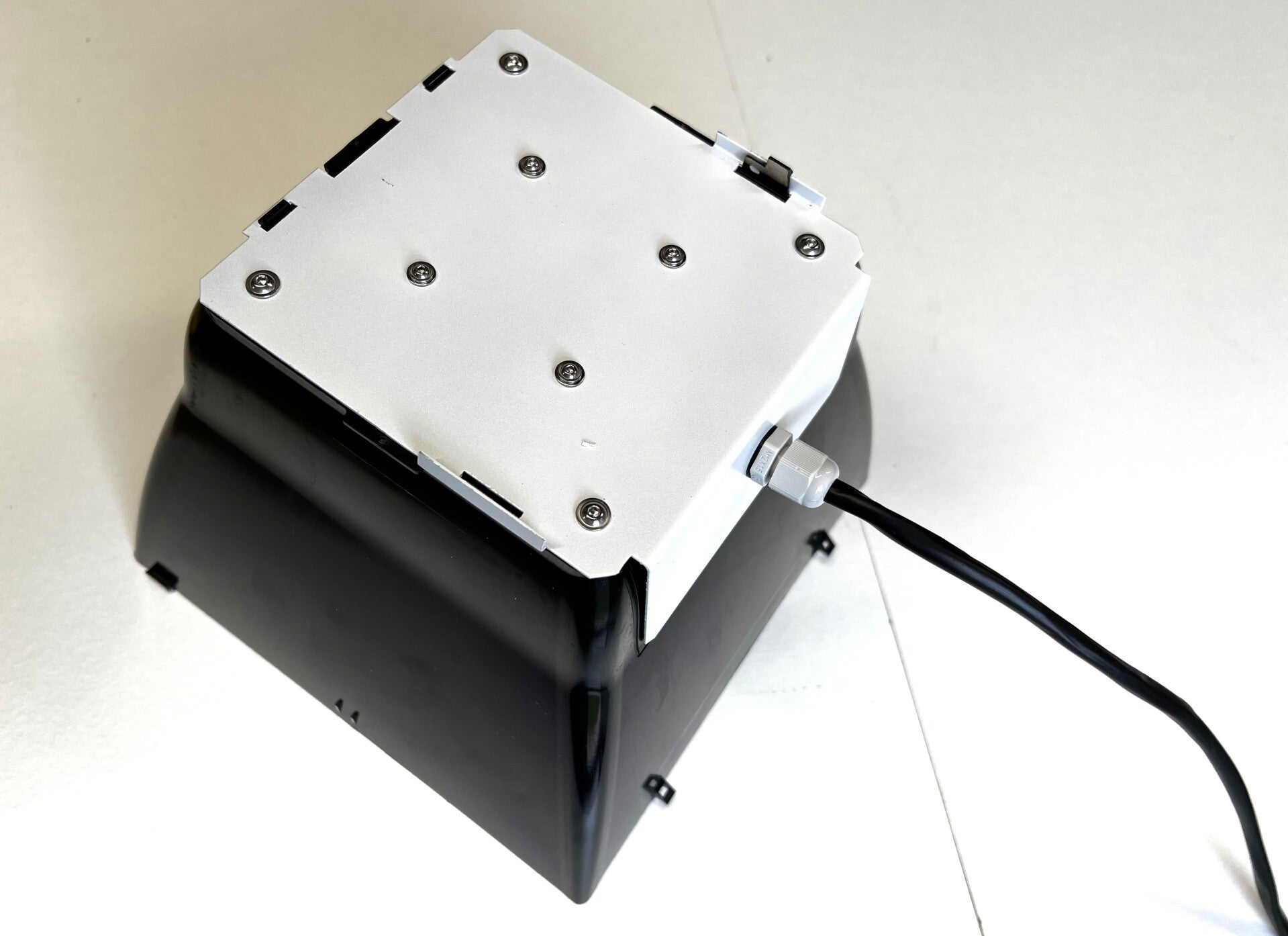
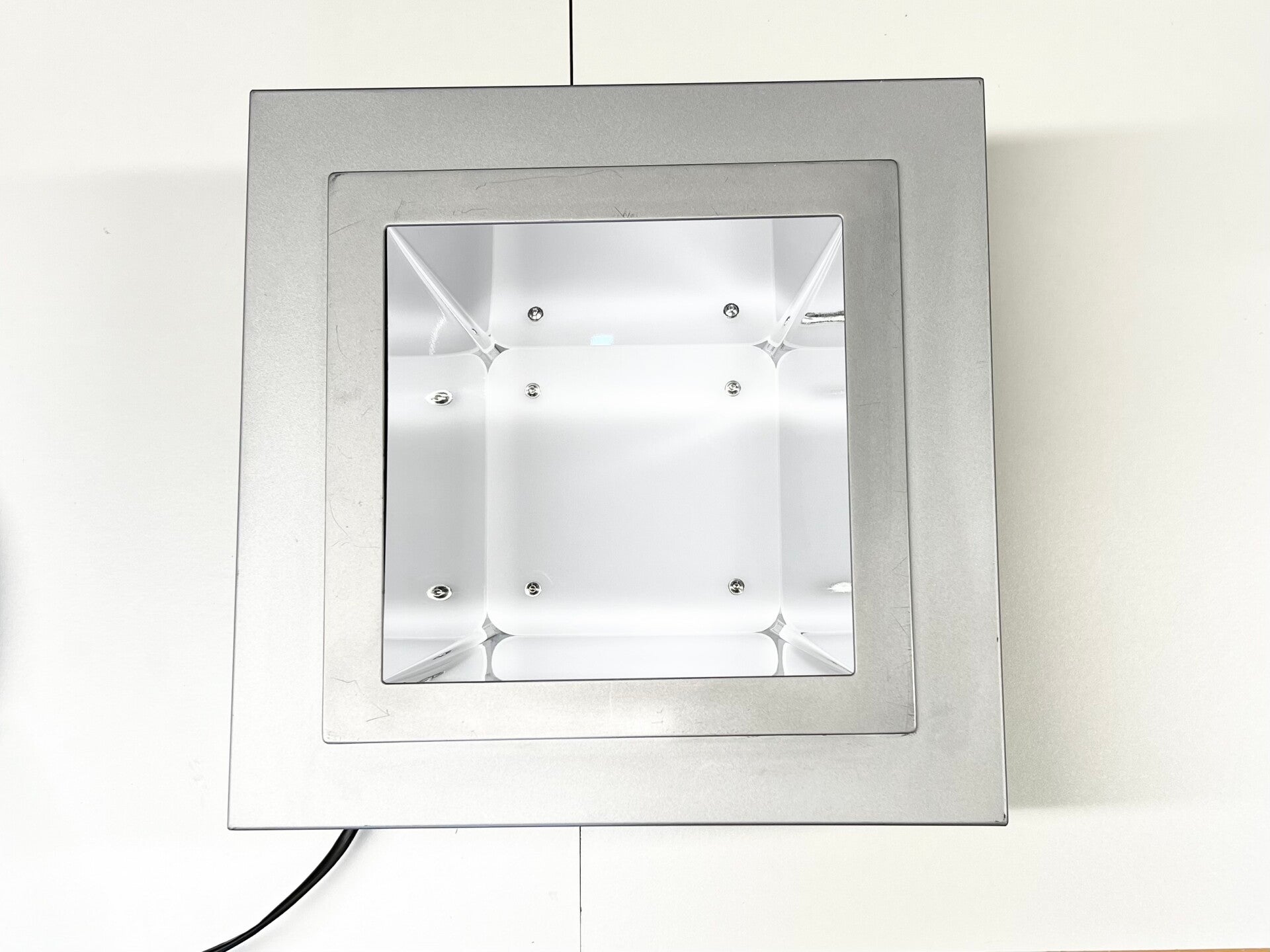
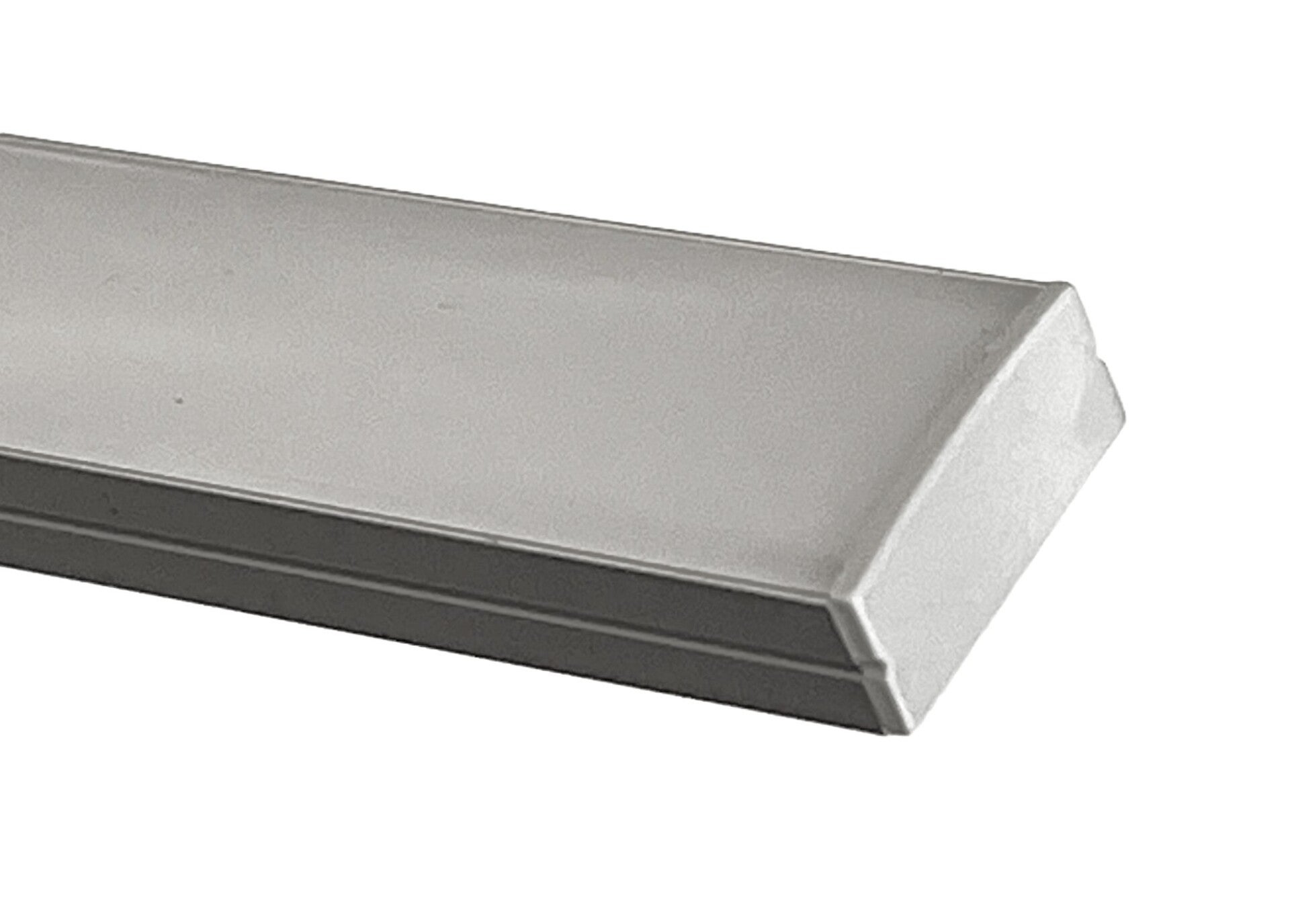
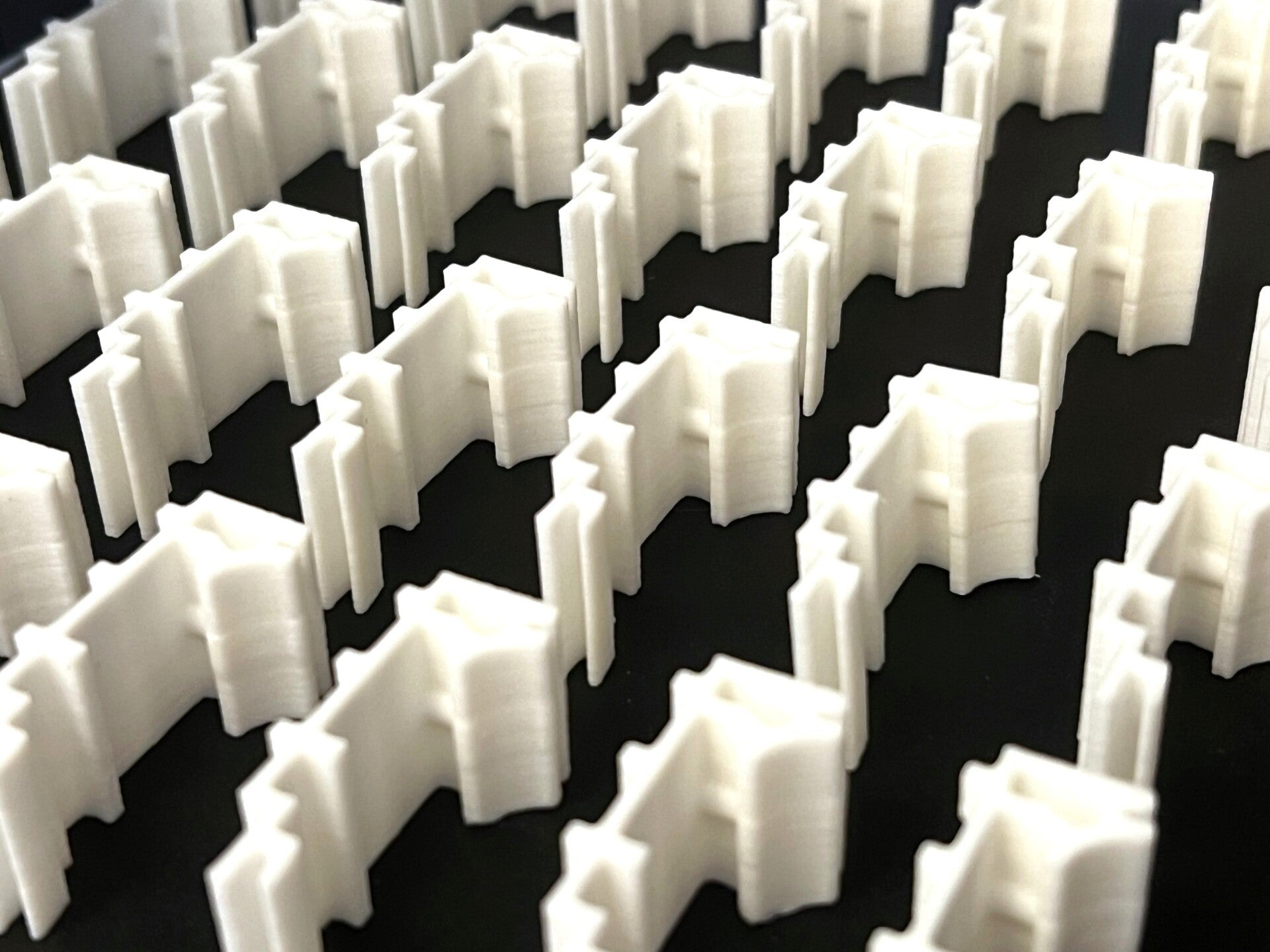
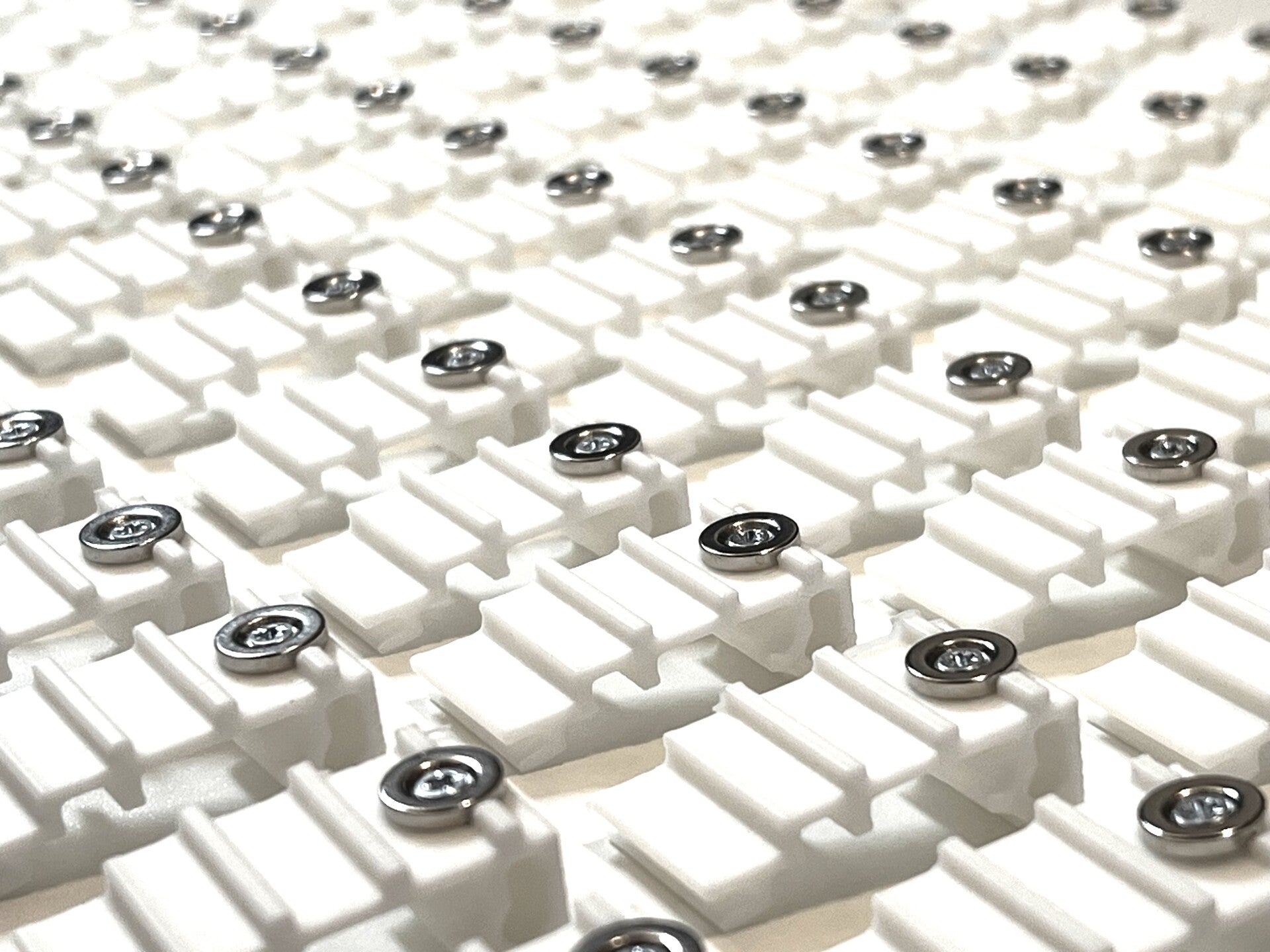
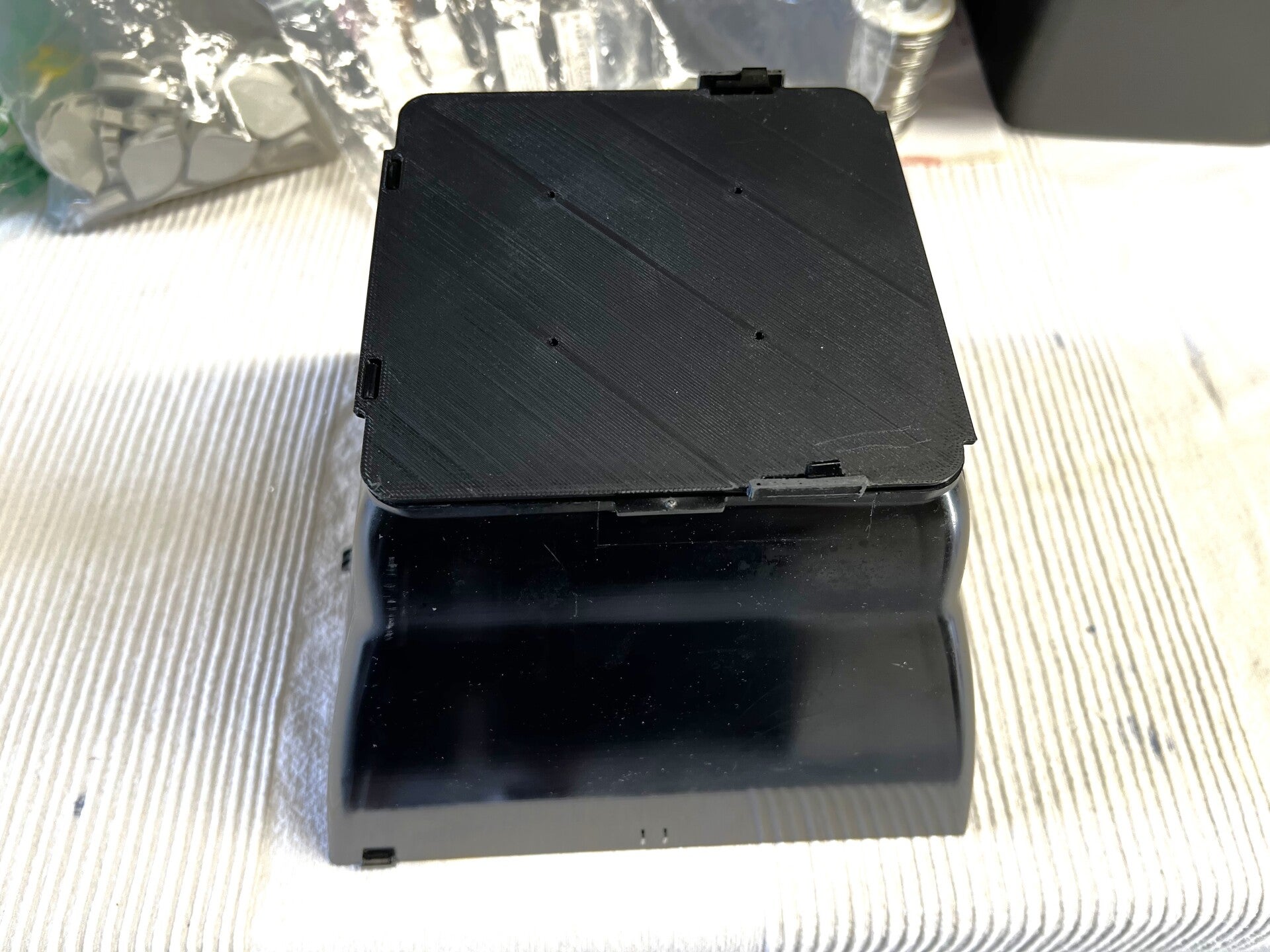
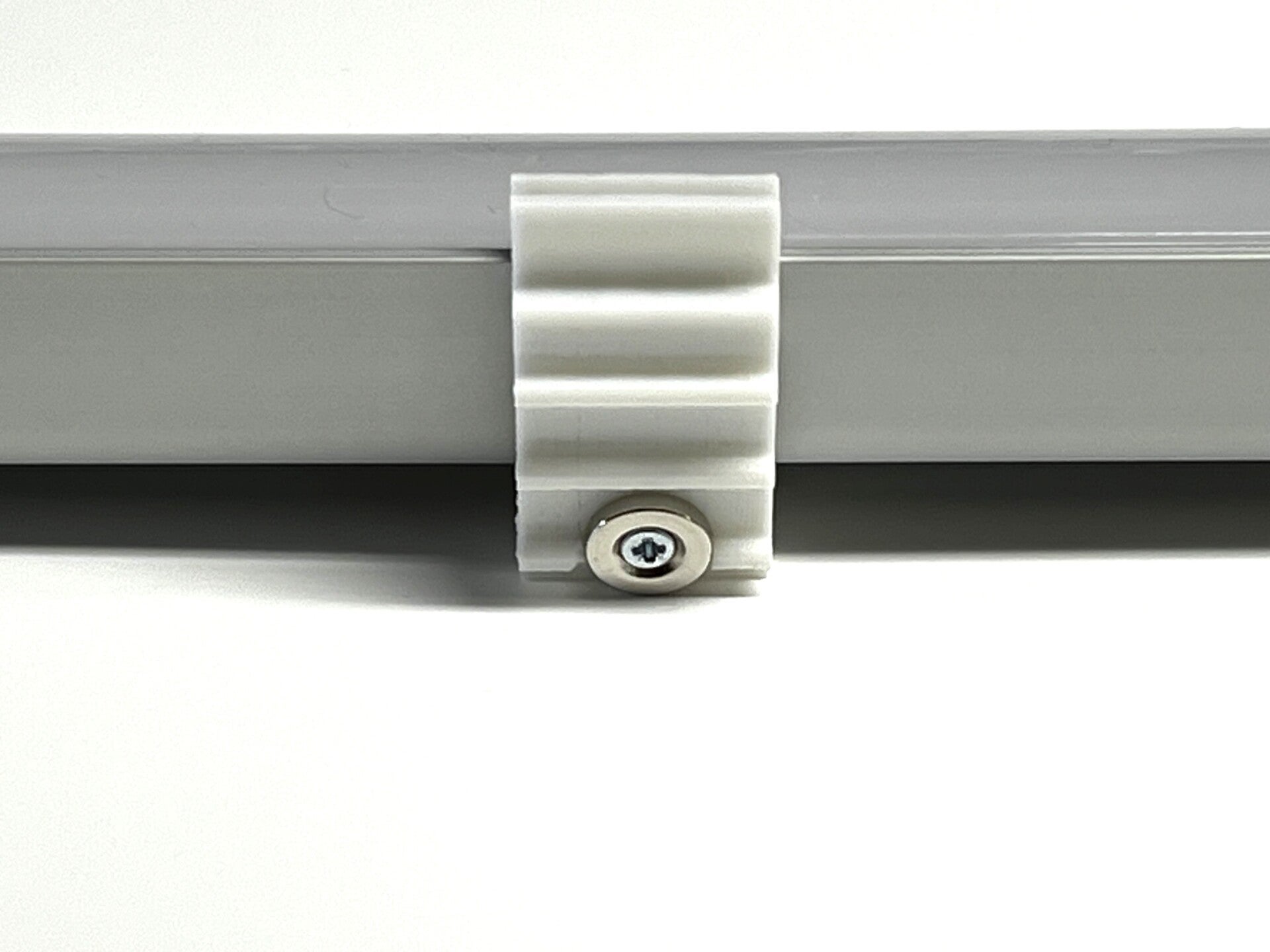
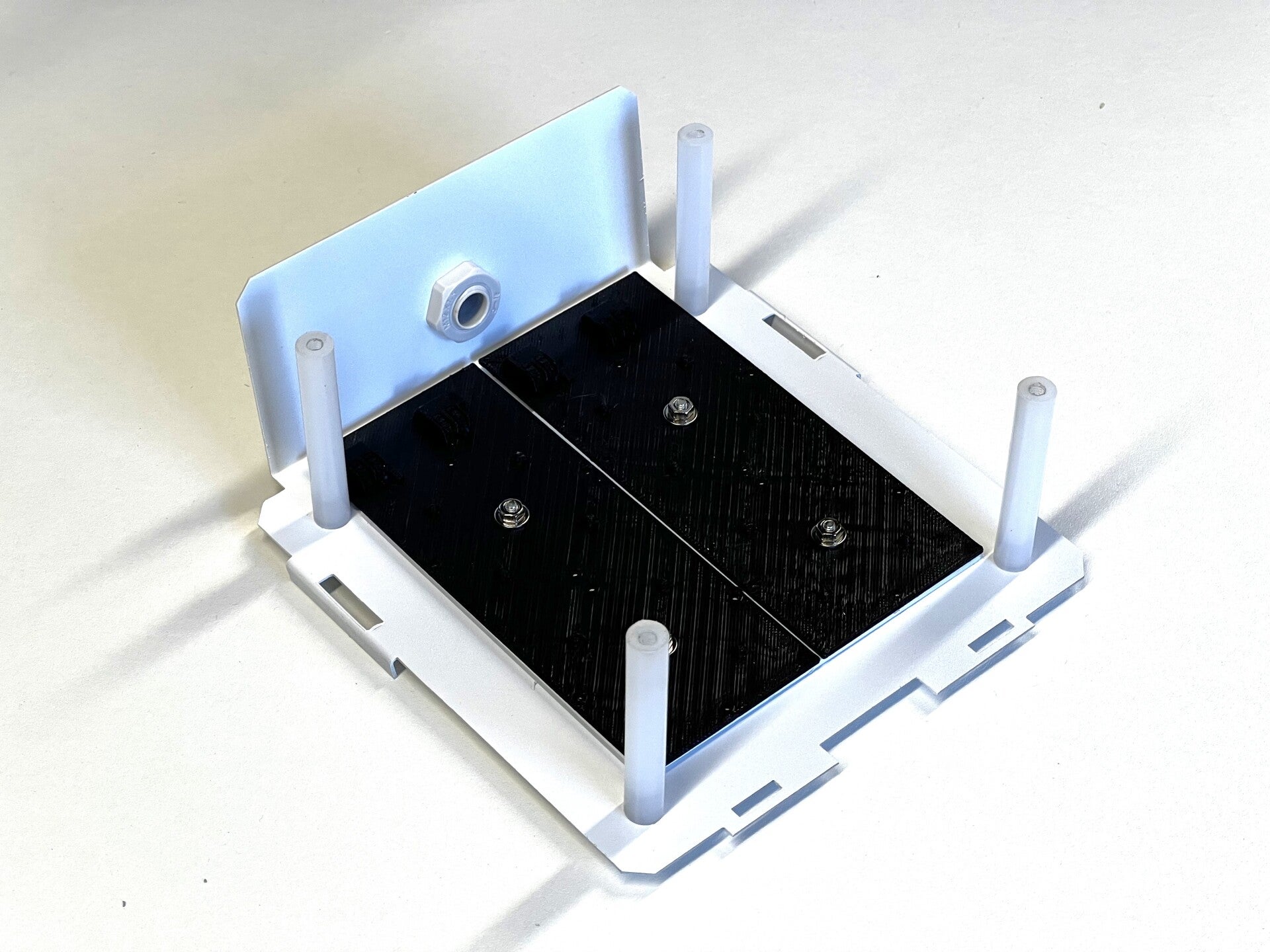
Design exploration using 3D printing
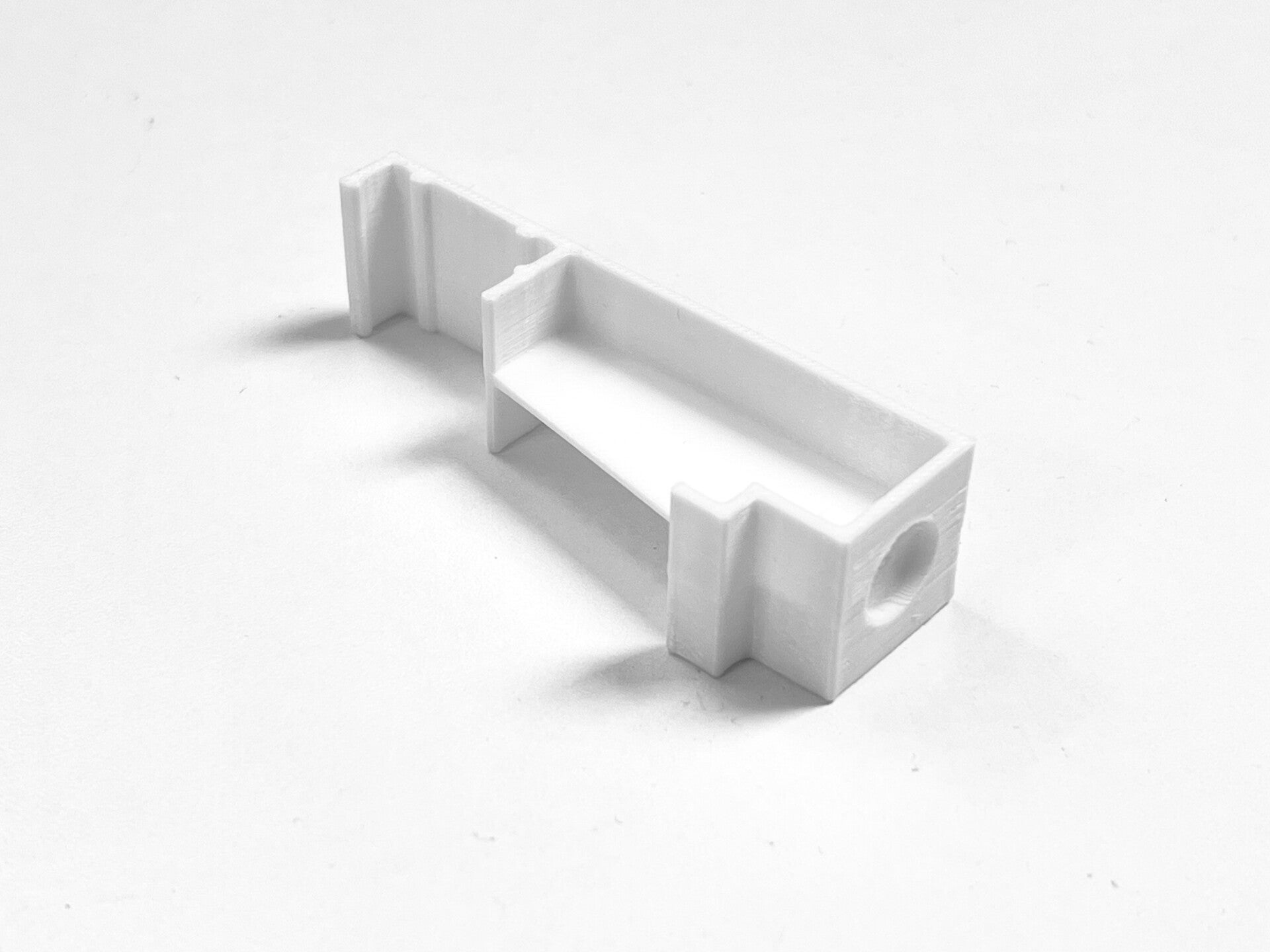
3D printing eliminates trial-and-error by physically validating fit, form, and alignment before committing to expensive, time-consuming machining or metal tooling. Rapid prototyping with plastics allows engineers to spot interference and assembly issues, drastically reducing production delays and material waste.
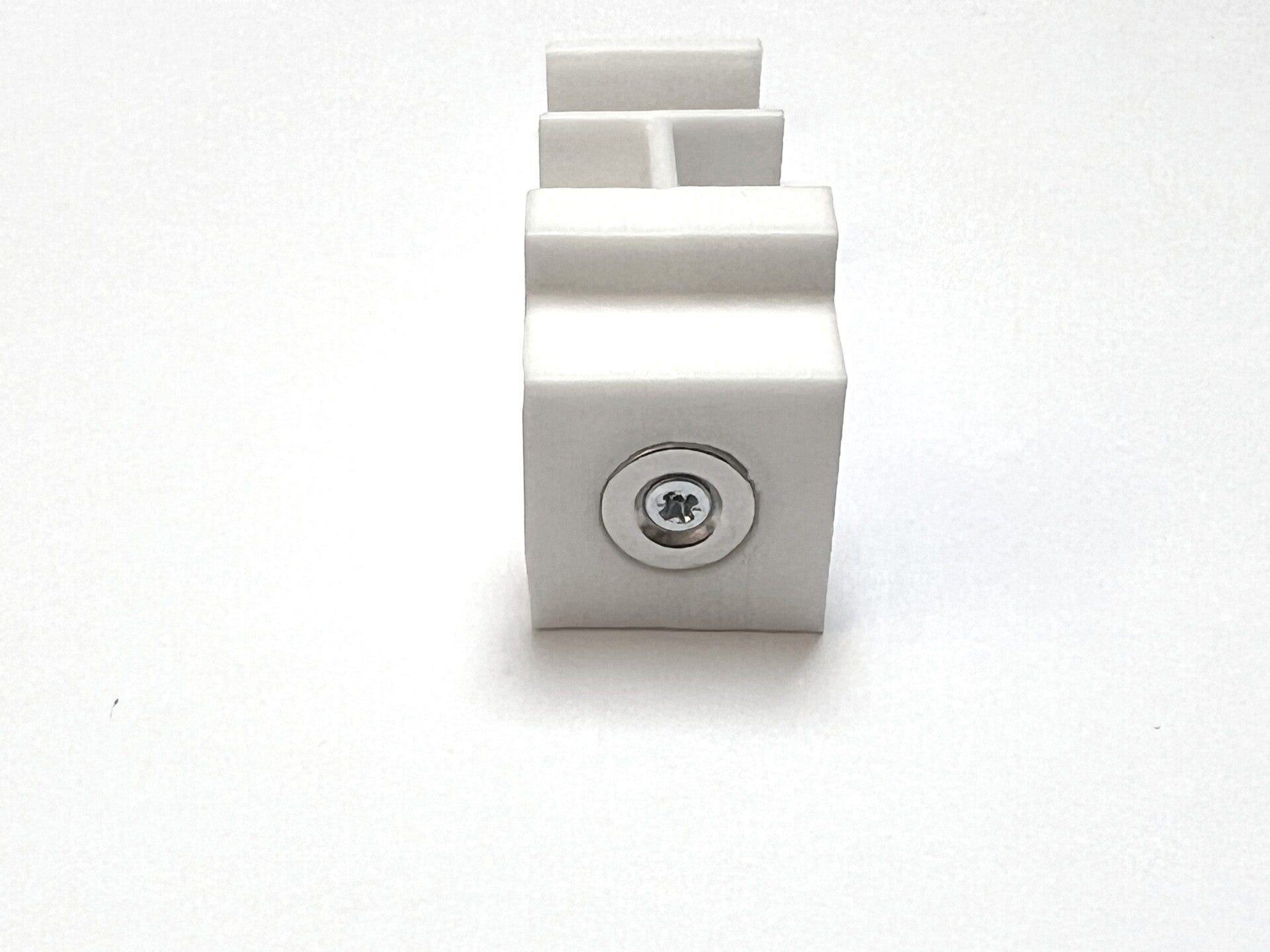
Complex 3D printed brackets provide an additional option where metal manufacturing is too expensive for low-volume runs, geometrically impractical, or hindered by long lead times. Additive manufacturing eliminates the need for tooling and machine programming, allowing engineers to bypass steep overheads for custom, complex, or light weighted geometries
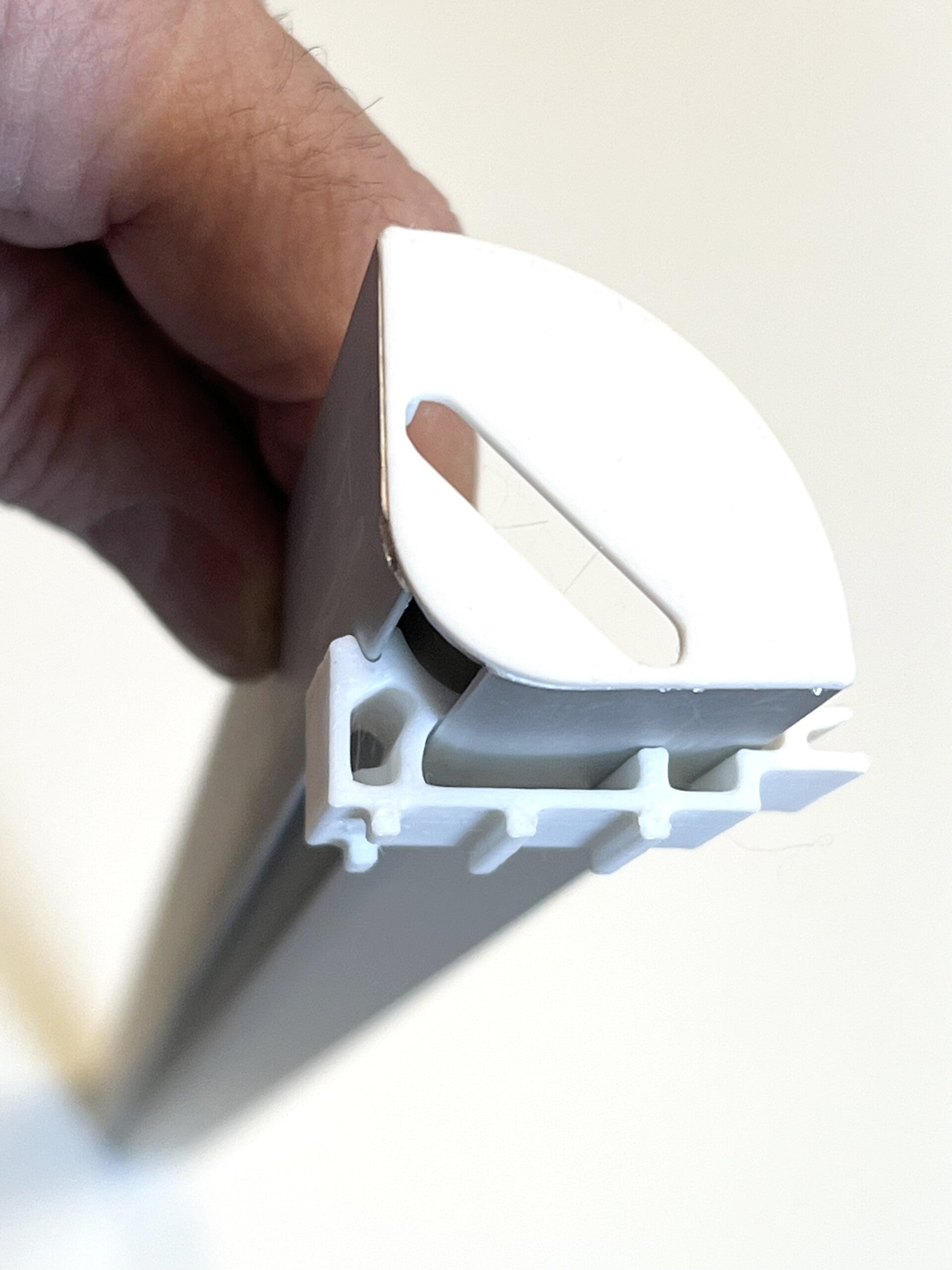
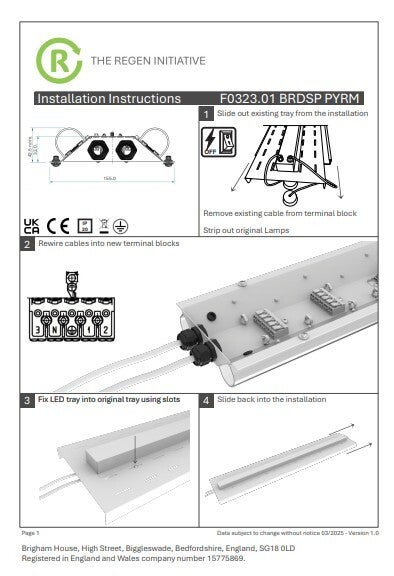
Installation Instructions
All commercial upgrades include installation guides to help end users and installation teams successfully implement the new modification and ensure it functions as intended. These guides provide step-by-step instructions.
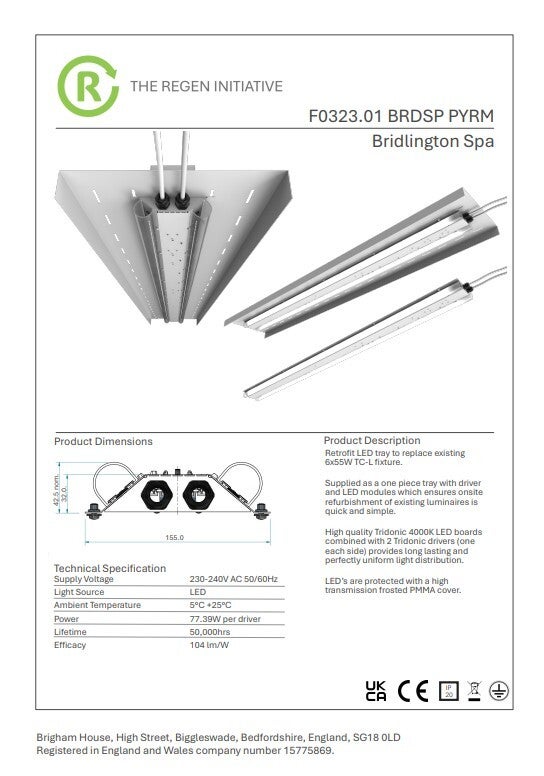
Product Data Sheet
All Bespoke products come with a Data Sheet with specific details for the client O&M Manual.

Reuse the existing lighting, less waste, less to recycle and less to landfill